
I saw something slide past on X the other day that most people will scroll past without blinking… and that’s precisely why it matters.
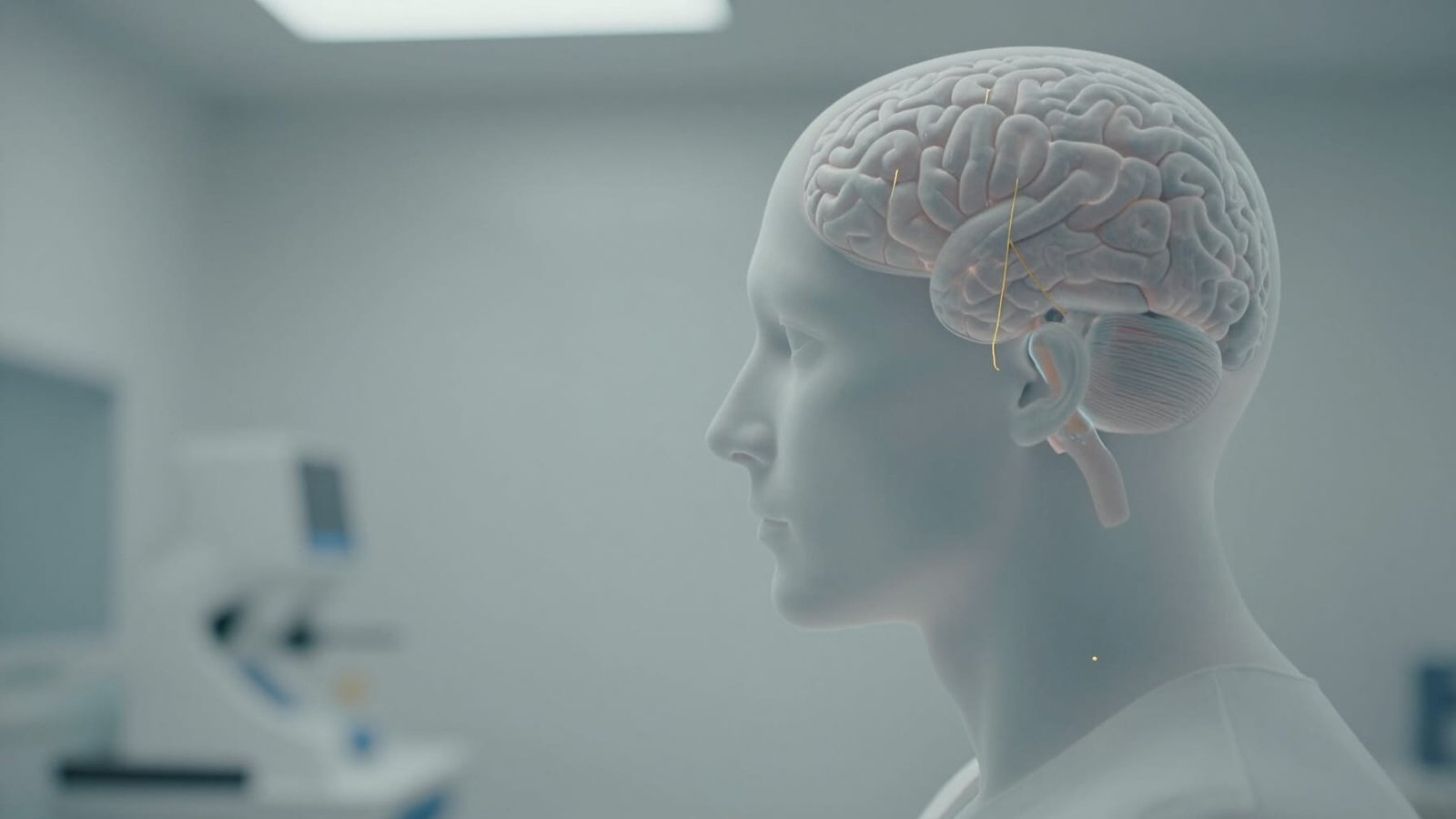
Neuralink plans to move into high-volume production of brain–computer interface devices in 2026. Not just that… they’re talking about an almost fully automated surgical procedure.
And here’s the line that should make you pause, mid-coffee:
The device threads pass through the dura without removing it.
If that sentence means nothing to you, fair enough. It sounds clinical. Harmless, even. But it isn’t.
The dura is the brain’s tough outer shell. Historically, crossing it has been the moment surgery stops being polite and starts being serious. It’s the point where risk spikes, recovery stretches and the phrase “brain surgery” earns its weight.
Now imagine bypassing that threshold.
Not ripping the roof off… just slipping the wiring through.
That’s not an incremental improvement. That’s a psychological one.
Because once you remove the drama from a thing, you remove the resistance.
From miracle to process
Here’s the quieter shift no one’s really talking about…
This isn’t just about implants. It’s about automation.
An almost fully automated surgical procedure doesn’t scale like medicine usually does. It scales like manufacturing. Like logistics. Like infrastructure.
No heroic surgeon. No artisan hands. No rare expertise.
Just process.
Repeatable. Optimised. Approved.
And once something becomes process-driven, the questions change. Not can we do this, but why isn’t everyone doing this.
Insurance companies start circling. Regulators feel pressure. Costs drop. Uptake accelerates.
Brain surgery, without the ceremony.
Let’s be clear… this is incredible
Before anyone accuses me of wearing a tin-foil hat, let me say this plainly…
For people with paralysis, locked-in syndrome, degenerative disease… this is nothing short of miraculous.
The ability to think and be heard again. To communicate without a body that refuses to cooperate. To regain agency.
That matters. Deeply.
If you’ve ever watched someone trapped inside themselves, you don’t sneer at this tech. You thank whoever pushed it forward.
But two things can be true at once.
The line we never hold for long
Every powerful technology starts as assistance.
Then it becomes optimisation.
Then expectation.
Then requirement.
We’ve seen this movie before. Phones. Surveillance. Work systems. Social platforms. “Optional” tools that quietly rewrite what normal looks like.
When brain interfaces become safer, faster, cheaper and more precise… opting out stops being a neutral choice.
Not immediately. Not dramatically.
Just… gradually.
Falling a little behind. Needing a little more help. Being a little less competitive. A little less efficient. A little less compatible.
No villain required.
The questions we’re dodging
At some point, we’ll have to ask questions we’re currently pretending don’t exist.
Who owns neural data?
Can it be accessed? Subpoenaed? Monetised?
What does consent look like when a firmware update alters perception?
What happens when your thoughts become logs… and logs become assets?
And perhaps the most uncomfortable one…
What happens when saying no costs you opportunity?
Threshold moments don’t announce themselves
History rarely arrives with a trumpet. It slips in wearing a lab coat and a progress report.
This feels like one of those moments.
Not dystopian. Not utopian.
A threshold.
A point where the human body quietly becomes editable… and the human mind, interoperable.
I don’t think the answer is fear. Or blind optimism.
I think the answer is attention.
Because the moment we stop paying attention is usually the moment the choice gets made for us.
And once that happens… there’s no going back through the dura.
Until Next Time

Discover more from Dominus Owen Markham
Subscribe to get the latest posts sent to your email.